I’m sure most of you have heard of iNaturalist, but do you know much about it?
iNaturalist is a platform where nature enthusiasts, scientists, and everyday individuals collaborate to document biodiversity. By uploading observations of plants, animals, and other organisms, users contribute to a global database that aids research, conservation, and education. iNaturalist is more than just a tool – it’s a thriving community fostering curiosity and a deeper connection to the natural world.
For those interested in joining iNaturalist, the process is simple. Begin by visiting the iNaturalist website or downloading the app on your smartphone. Once there, you’ll be prompted to create a free account using your email address or through existing platforms like Google or Facebook.
After registering, the platform’s intuitive design and helpful community make it easy to contribute and learn, no matter your level of expertise. Whether you’re a devoted naturalist or simply curious about the world around you, joining iNaturalist opens the door to discovery.
I joined iNaturalist recently by installing the App on my smartphone and, so far, have made 14 observations of plants, animals and insects.
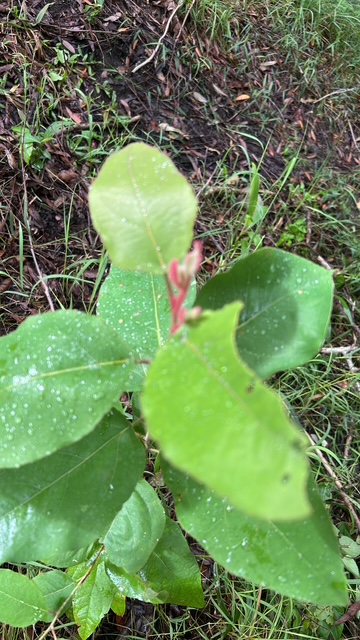
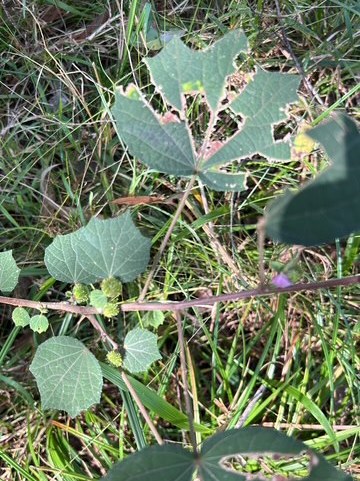
Of these, 2 have been weed species I’ve been able to positively identify by using iNaturalist. These observations have been verified by others and are now research grade and can be used by scientists.
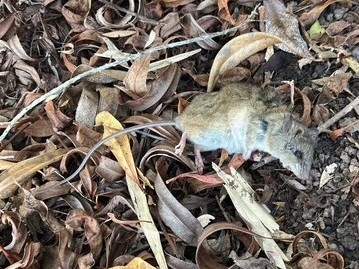
Another chance observation came while having breakfast in the front yard. A currawong landed on the fence with something in its mouth and, on taking off, dropped it. With smartphone in hand, I immediately investigated. Although iNaturalist’s AI couldn’t identify this creature other than a Therians, subclass Theria, another user has identified it as a Fawn-Footed Melomys, Melomys cervinipes. This user also detailed notes of the reasons why their identification had been made. Another user needs to identify the species for this observation to become research grade so hopefully soon I’ll get a positive identification.
I’ve also uploaded observations of insects. Some have been positively identified by others and are research grade, others need further positive observations to become research grade.
This is a wonderful tool and, although I have only touched the surface of what it can offer, I encourage you to start using iNaturalist. You may even get hooked like me.
Keron Hilton