Noisy Miners are highly social birds that thrive in urban gardens. While they are native, their aggressive territorial behaviour can exclude other bird species, reducing biodiversity.
Noisy Miners favour typical suburban gardens with open lawns, nectar-producing shrubs (such as grevilleas), and scattered trees. In these environments, they band together and aggressively defend territory and resources.
However, in undisturbed bushland areas where resources are plentiful, Noisy Miners can coexist alongside smaller birds. This tells us that by creating abundant, diverse habitat in our gardens, we can support a wider range of bird species and help level the playing-field in urban areas.
To make your garden less appealing to Noisy Miners and attract a diverse range of birds:
- Replace areas of lawn with a diverse selection of local native plants
- Plant in layers: dense shrubs, grasses, groundcovers, and trees
- Ensure staggered flowering and fruiting times to ensure food availability year-round
- Limit use of heavy nectar-producing plants such as grevilleas
- Include insect-attracting shrubs for insectivorous birds
To support your local birds, choose native plants suited to your area. Here are some excellent
local natives that provide resources for a wide variety of birds:
Trees
- Fringed Wattle (Acacia fimbriata) – Australian King Parrot, Crimson Rosella, Galah, Little Corella, Red-winged Parrot, Sulphur-crested Cockatoo (seeds)
- Black She-oak (Allocasuarina littoralis) – Cockatoos including Glossy Black Cockatoo (seed)
- Lilly Pillies (Syzygium sp.) – Green Catbird, Eastern Rosella, Pied Currawong, Topknot Pigeon, Wompoo Pigeon (fruit)
Shrubs
- Hop Bush (Dodonaea sp.) – Australian King Parrot, Red-winged Parrot, Wonga Pigeon, Pale-headed Rosella (fruit); Emerald, Bar-shouldered, and Peaceful Dove (fallen seed)
- Purple Pea Bush (Hovea acutifolia) – Silvereyes, Fairy-wrens, Scrub-wrens, Thornbills, Honeyeaters
- Wild May (Leptospermum polygalifolium) – attracts insects for insectivorous birds
- Prickly-leaf Paperbark (Melaleuca nodosa) – Nesting and refuge plant, nectar for honeyeaters
- Prickly Moses (Acacia ulicifolia) – Dense prickly foliage provides shelter, attracts insects for insectivorous birds
- Thyme Honeymyrtle (Melaleuca thymifolia) – Nesting and refuge plant, Lewin’s Honeyeater, Silvereye (fruit)
Groundcovers and Grasses
- Flax lillies (Dianella sp.) – Insectivorous and fruit-eating birds
- Twining Guinea Flower (Hibbertia scandens) – Insectivorous birds, Brown Fruit-dove, Green Catbird, Olive-backed Oriole, Pied Currawong, Paradise Riflebird
- Kangaroo Grass (Themeda triandra) – Cockatiel, Gouldian Finch, Zebra Finch (seeds)
Vines
- Scrambling Lily (Geinotoplesium cymosum) – Figbird, Rose-crowned Fruit-dove, Mistletoebird, Satin Bowerbird (fruit)
BirdLife Australia offers excellent free resources to support your habitat garden journey, including a free online course for creating a bird-friendly garden.
See https://birdlife.org.au/habitat-gardening-for-birds-online/
Your local community nursery can provide advice on species suited to your specific garden conditions and microclimate. Try Coolum Community Native Nursery, Noosa and District Landcare, Floribunda Bushcare Community Nursery, Mooloolah River Landcare, Gympie District Landcare, and Barung Landcare.
Let’s create gardens that are welcoming for all birdlife!
References
Birdlife Australia https://birdlife.org.au/
Moran, A.M. and Fox, M. Plant Local to Attract Local, 2025 (available at community nurseries)
Sarah Lawson
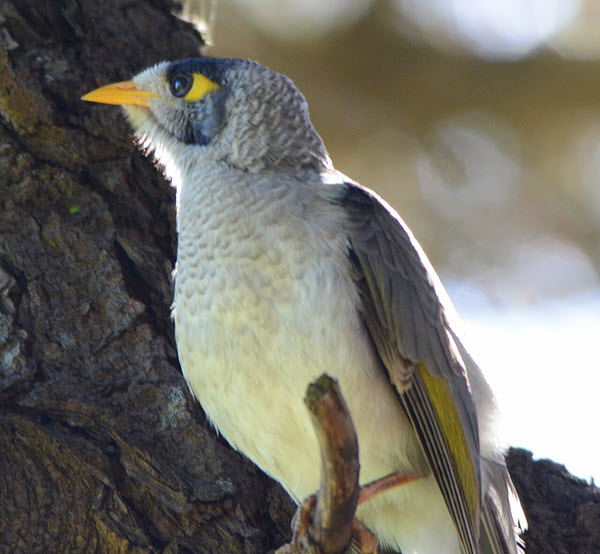
Photo 1 – Sardaka, Noisy miner standing (Side view), CC BY-SA 3.0
.jpg)
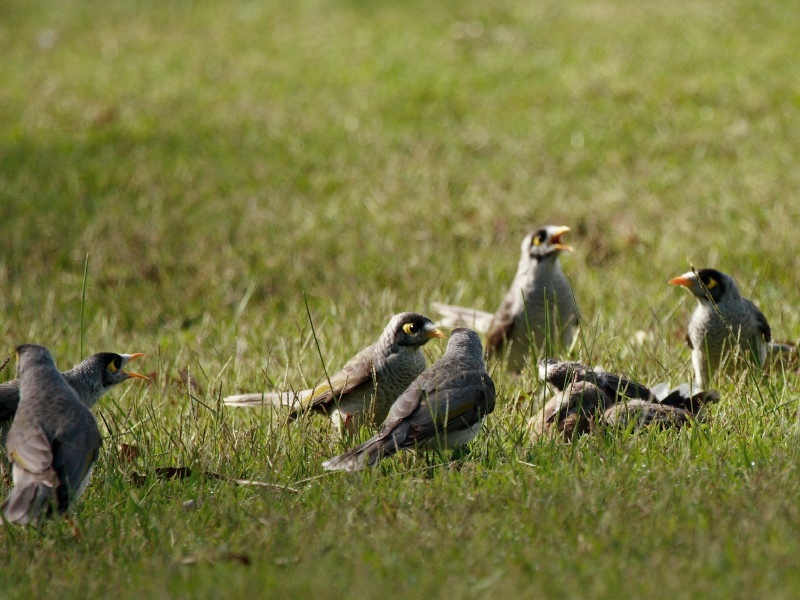
Photo 2 – Cheng Hiang, Noisy Miner attacking dove, CC BY-SA 3.0

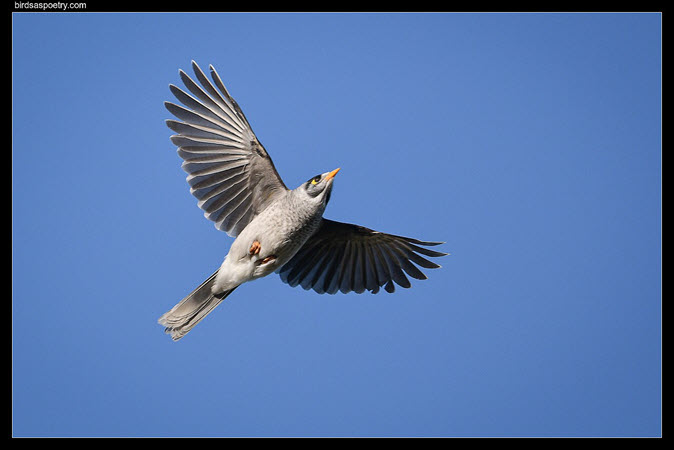
Photo 3 – I Am birdsaspoetry.com from Melbourne, Australia, Noisy Miner Incoming (50045662353), CC BY 2.0
.jpg)