At the time of writing there had been 17 confirmed cases of avian influenza, bird flu, in Australia, the last being a petrel from Moreton Island. This increases the inevitability of bird flu spreading to our native wildlife.
There are many different forms of avian influenza. Australia has naturally occurring forms of bird flu in our waterfowl but these are of low pathogenicity and pose no threat the wildlife, poultry or humans. The present type of avian influenza is the H5N1 clade2.3.4.4b strain. This strain first appeared in South East Asia in 2021. It is highly pathogenic and causes high rates of sickness (morbidity) and death (mortality) in affected birds and mammals. H5N1 bird flu has spread rapidly through all continents with Australia being the last to diagnose cases. It is spread by the movement of wild birds, especially waterfowl.
It has been estimated that over 600 million wild birds have died and hundreds of millions of poultry have died or been euthanased for control. Other terrestrial and marine mammals are also affected with 10s of thousands of elephant seals, sea lions, walrus, polar bears, orca and dolphins affected.
The virus is spread by close contact with faeces or respiratory exudates and from contact with infected water from faeces or carcasses and also from ingestion of infected tissue.
At present the only avian species affected have been species that visit us from the sub-Antarctic islands where they have scavenged on affected carcasses.
If these visiting birds die along our coastline and are then eaten by scavengers then the virus will be carried inland to affect most species. Waterfowl, waders and flocking species appear to be the most affected by the virus.
If you see a sick or deceased bird please follow the advice below.
AVOID: Don’t touch. Keep domestic pets away.
RECORD: Note the location. Take an image.
REPORT: Notify.
Avian Influenza is a notifiable disease.
If you suspect a case you must report it.
National Emergency Animal Disease Hotline on 1800 675 888
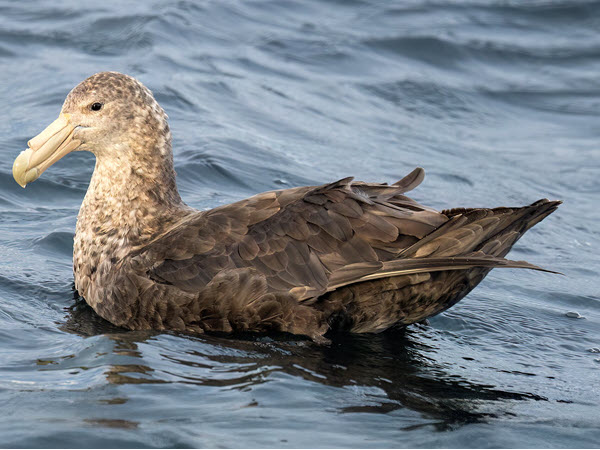 By Polinova – Own work, CC BY-SA 4.0, Link