With Spring around the corner comes new growth, blooming flowers, longer days and an opportunity to get some slimy friends to help in the garden. Worms slow down in the winter entering a form of dormancy, travelling deep into the soil to conserve energy, many curling into a slime coated ball which helps keep them moist and provides protection against the cold. As temperatures begin to rise and plant life increases the worms follow suit making their way closer to the surface and processing up to their bodyweight in food each day. Did you know that close to half of our household waste can be food for these helpful creatures? Worms, often referred to as Ecosystem Engineers as they change soil structure, nutrient availability and microbial activity could be the perfect addition to your home garden moving into the warmer months.
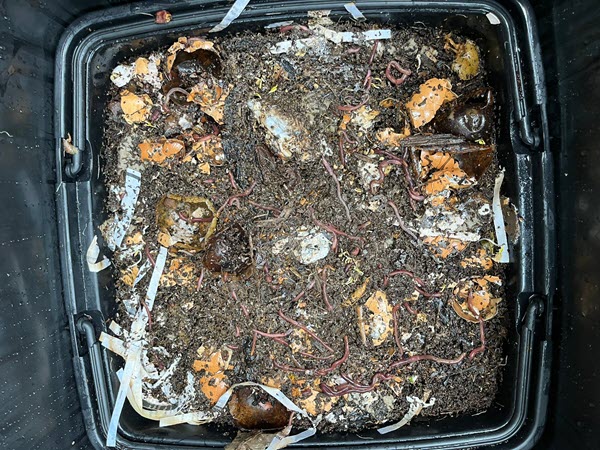
Household waste such as fruit and veggie scraps, eggshells, tea bags and coffee grounds provide nitrogen while cardboard and shredded paper, toilet rolls, egg cartons and dried crunchy leaves add carbon into the mix to create the perfect environment for these hard-working invertebrates. As the worms digest organic waste, they break it down into smaller and smaller particles producing worm castings and liquid making a perfect fertiliser for your garden, veggie patch or pot plants, indoor and out!
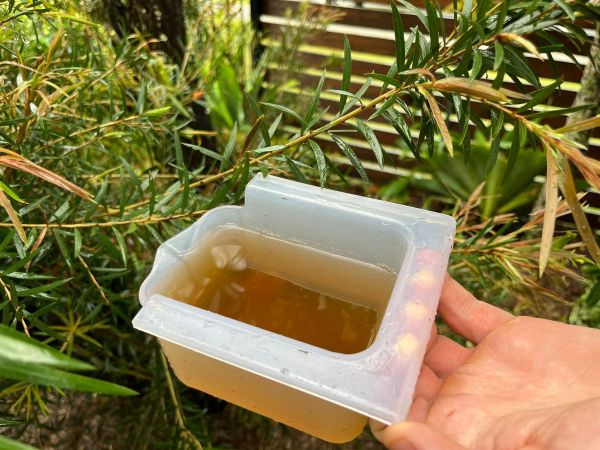
Now to talk about harvesting your homemade, nutrient-rich worm goo. Worm liquid, worm wee or worm tea, call it what you want, is full of beneficial microbes that can help feed your garden. Capture the liquid in a small container and disperse every few days or opt to fill a larger bucket to lengthen time between harvesting and create a larger batch of fertiliser. It should be watered down to match the colour of weak tea or at a 10:1 water: liquid ratio and applied at the base of plants to minimise any chance of leaf burn.
The exciting part comes once your warm castings or worm poo is ready for harvesting which is recommended at least 3 – 6 months after establishing your farm and can be harvested every quarter or so afterwards. This dark, crumbly goodness should smell fresh and earthy providing a mix of nutrients into your soil to feed your hungry plants. Worm castings are generally taken from your bottom working tray and dispersed into the soil around your plants and under mulch to maintain a moist environment. They can be mixed into potting mix, compost or collected into a damp place for future use although it is best applied fresh. Be sure to harvest carefully and allow the worms time to borrow down as you take off layers, leaving a base layer for the worms to take refuge in while waiting for more of your tasty food scraps.
In my opinion worms are a foundational part of healthy soil and I do not think you will be disappointed by the result of integrating them into your home-garden practice. Worm farms are a great opportunity to work with nature, lower your household waste and bring a new sense of enjoyment to your gardening 😊.
Samuel Wockner