The following native shrubs are suited to smaller urban gardens in Noosa and will improve biodiversity and attract wildlife. These plants are naturally found in the challenging sandy soils of Noosa’s coastal suburbs, providing an attractive and sustainable garden. Seek advice from your local native plant nursery about many more species suited to Noosa coastal areas.
Acacia sophorae – Coastal Wattle
Wattles are the food pantry for native fauna in Australia. The flowers and seeds attract local birds and they often flower in autumn and winter when other species don’t. The sap exudes are feed source for gliders and they are host plants for many butterflies and moths. The Coastal Wattle is a quick growing large shrub to 5 metres with attractive grey foliage and yellow flowers. Prune after flowing to maintain size and bushiness. They are a good pioneer species to offer shelter in the garden. Plan for their eventual replacement, as they commonly only live for 7 to 10 years.
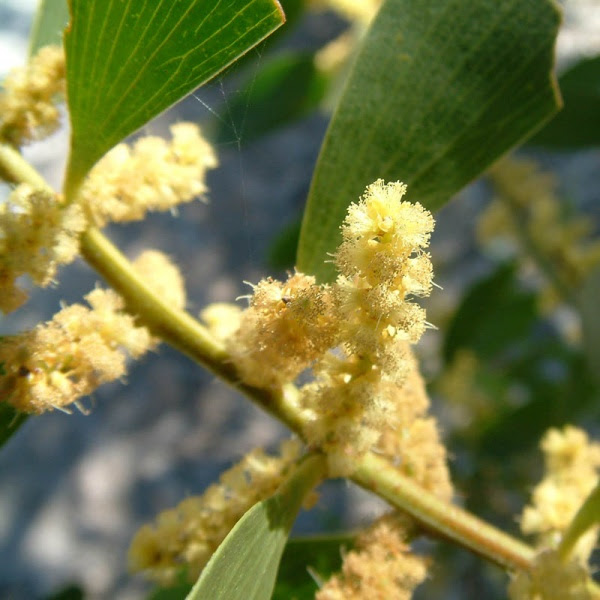
Photo 1 Coastal Wattle – image from https://noosasnativeplants.com.au/
Allocasuarina emuina – Mt Emu Casurina
This dwarf Casuarina is found on the slopes of Mt Emu just to the south of Peregian Beach. It has fine weeping needle like foliage and striking red flowers and its seed cones are attractive to black cockatoos. It prefers full sun and grows to only 2 to 3 metres in height, but can be readily pruned to a smaller size.
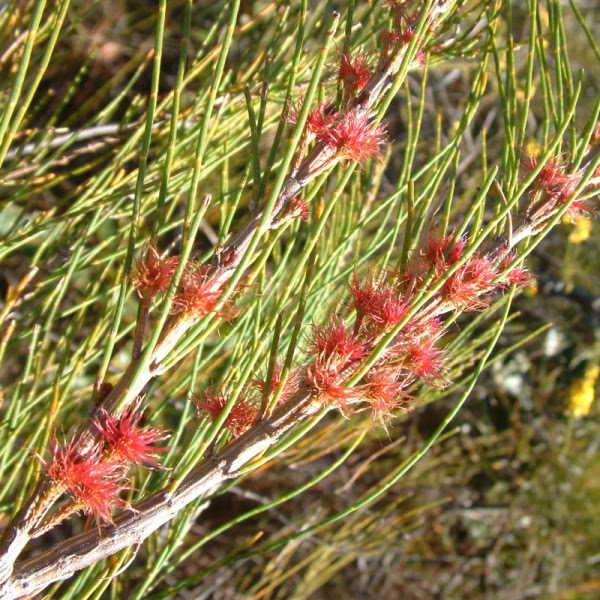
Photo 2 Mt Emu Casurina image from https://noosasnativeplants.com.au/
Austromyrtus dulcis – Midyim Berry
Midyim is a low growing shrub to 1 metre with attractive red flushed foliage and discreet white flowers that can be clipped as a tight foreground species. It is ideal for mass planting banks or as an understorey shrub in sun or dappled shade.
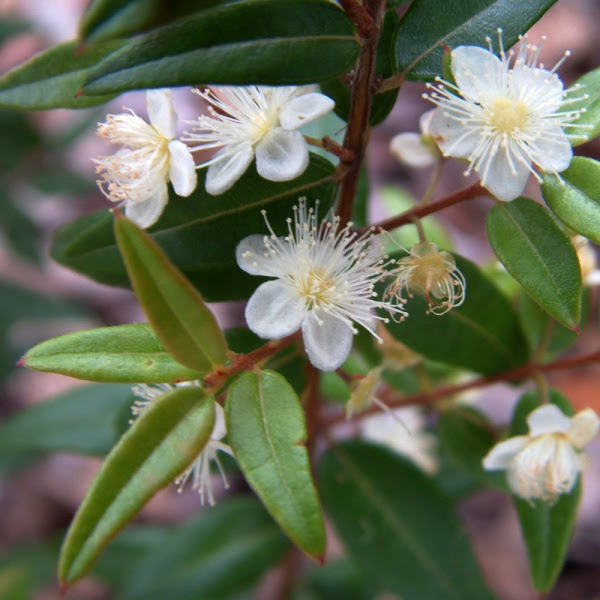
Photo 3 Midyim Berry image from https://noosasnativeplants.com.au/
Backhousia citriodora – Lemon Scented Myrtle
The Lemon Scented Myrtle can grow to 10 metres but with pruning can be maintained as a medium shrub to 2 metres, ideal for screening. It has tremendous aromatic lemon scented foliage that is now commonly used to flavour foods and drinks. If foliage is harvested into a bunch for the table it deters insects.
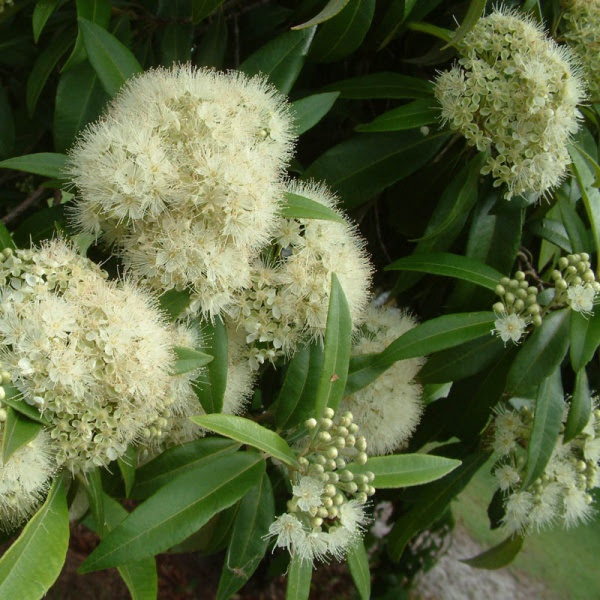
Photo 4 Lemon Scented Myrtle image from https://noosasnativeplants.com.au/
Banksia oblongifolia – Dwarf Banksia
This Banksia has all the characteristics of the large Coastal Banksias found on our coasts, including large striking flowers and seed cones that attract birds such as cockatoos. It grows to only 2 to 3 metres in height, but can be readily pruned to shape to smaller sizes and prefers full sun.
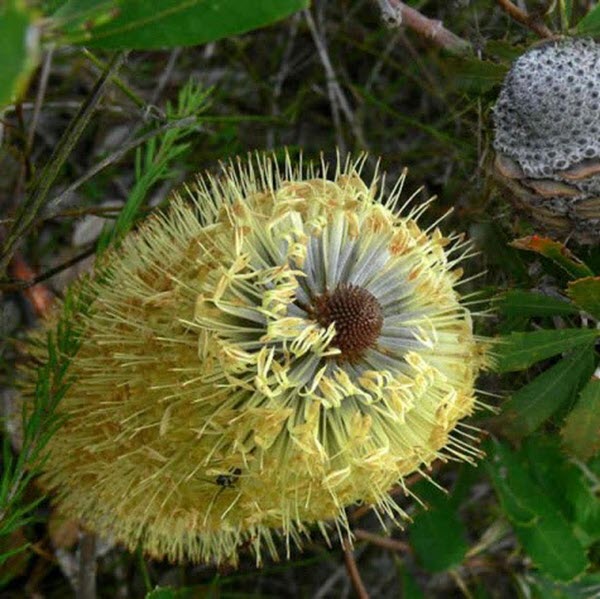
Photo 5 Dwarf Banksia image from https://noosasnativeplants.com.au/
Callitris columellaris – Coastal Cypress
Whilst the Coastal Cypress is a larger tree on our coastlines, it is also an exemplar pruning species that can be contained to a desired height and shape. It is well suited to formal gardens, for dense screens or growing in pots. The fine and tight foliage offers ideal shelter for smaller birds. It has high resistance to fungal decay, unlike exotic cypress, as well as being termite resistant. Pruning releases a lovely aroma from the cypress foliage. Plant it in full sun.
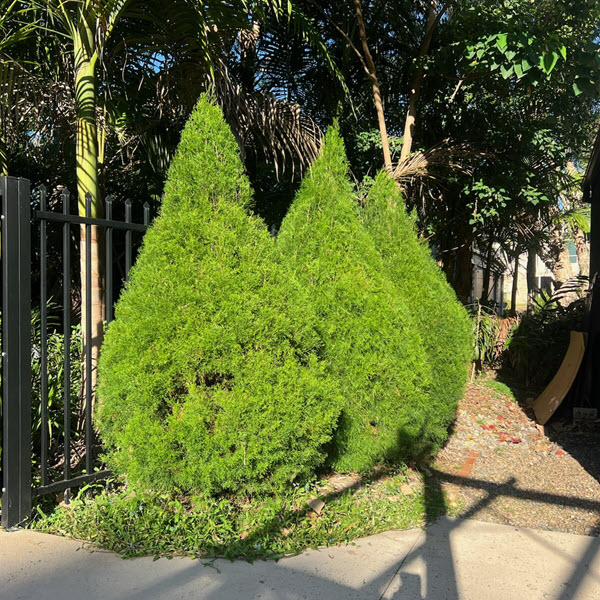
Photo 6 Coastal Cypress image supplied by author Shaun Walsh
Elaeocarpus reticulatus – Blueberry Ash
With striking attractive flushes of pink foliage and dainty flowers, this small tree prunes readily into a screening shrub ideal for urban gardens. It is particularly suited to protected coastal locations where the foliage is resistant to salt spray. Plant it in full sun.
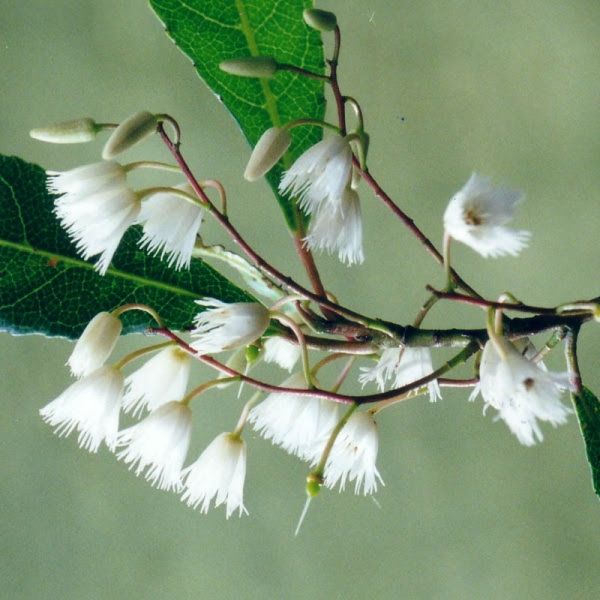
Photo 7 Blueberry Ash image from https://noosasnativeplants.com.au/
Jacksonia scoparia – Dogwood
This is a tall open shrub to 3 metres with weeping fine foliage and spectacular yellow flowers. Use as a background shrub in the garden, and prune after flowering to maintain bushiness.
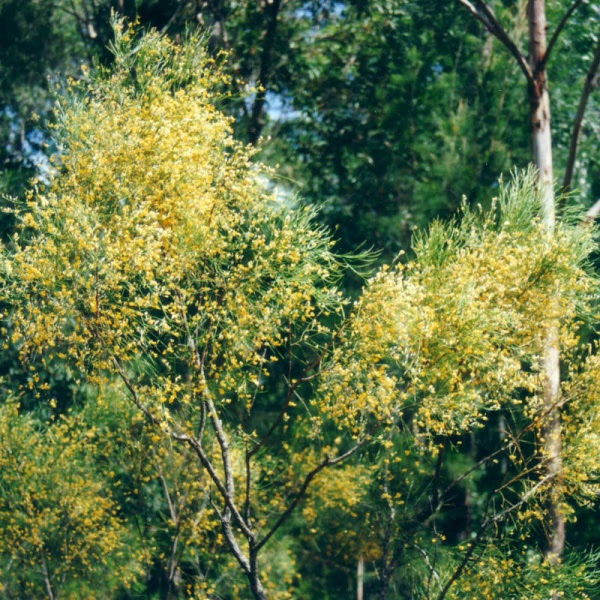
Photo 8 Dogwood image from https://noosasnativeplants.com.au/
Melaleuca linarifolia – Snow in Summer
This tea tree can grow to 10 metres, but with pruning can be maintained as a medium shrub to 2 metres. It has soft grey foliage with citron aromas and abundant cream coloured flowers that are so thick they replicate snow over the foliage. It enjoys a light prune after flowering to maintain bushiness. There is also a cultivar called ‘Claret Tops’ that is cultivated due to its flushes of fed new foliage growth. Its dense foliage provides excellent protection for many smaller birds and various butterflies and moths – a real haven for wildlife in the garden!
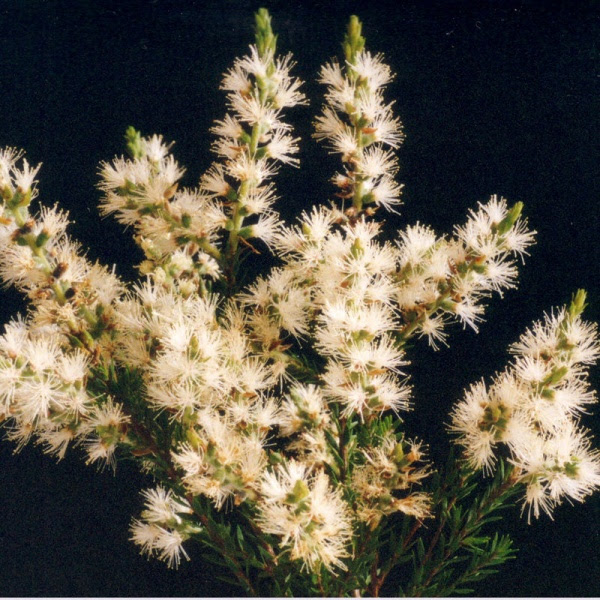
Photo 9 Snow in Summer image from https://noosasnativeplants.com.au/
Myoporum boninense – Mangrove Boobialia
This low growing shrub to 1 metre can be clipped as a tight foreground species with attractive fleshy green foliage and discreet white flowers. It is ideal for mass planting banks on steep slopes or as a foreground feature.
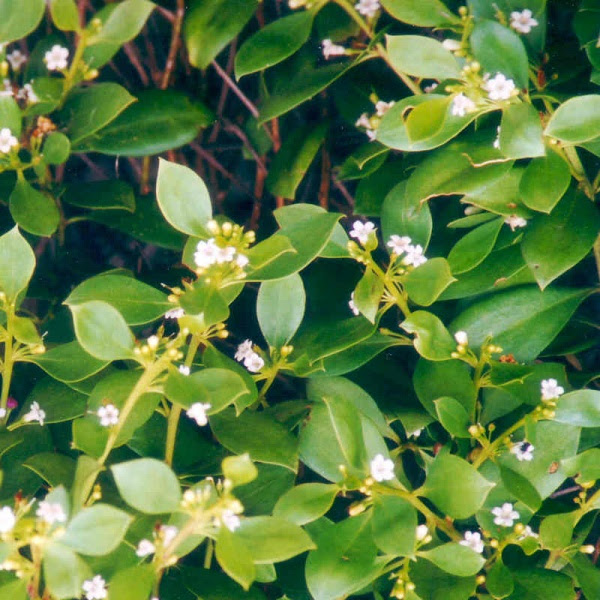
Photo 10 Mangrove Boobialia image from https://noosasnativeplants.com.au/
Petalostigma pubescens – Quinine Berry
This fast growing screening shrub has appealing, soft velvety leaves and attractive pendulous growth. It is well suited to coastal gardens and is a butterfly host plant. Clip regularly to maintain shape and bushiness. It is ideal in more formal gardens as a hedge.
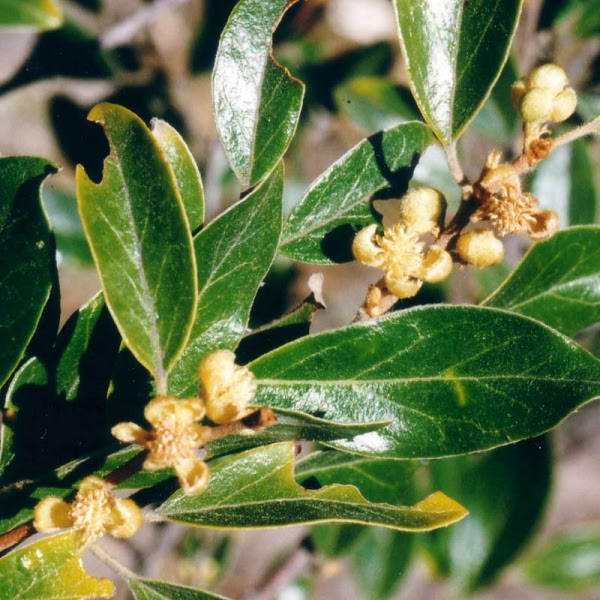
Photo 11 Quinine Berry image from https://noosasnativeplants.com.au/
Phebalium woombye – Phebalium
Phebalium is a great garden plant, with attractive foliage and dainty white flowers, which responds well to pruning. It can be sourced as both an upright shrub and prostrate (groundcover) form, and can be planted in sun or dappled shade. It is ideal in mixed shrubbery in garden beds.
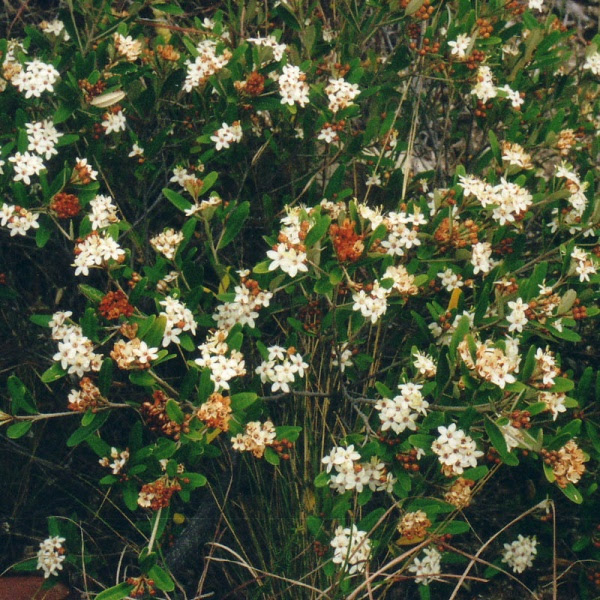
Photo 12 Phebalium image from https://noosasnativeplants.com.au/
Shaun Walsh