Aug 16, 2020 | Weeds & Invasive Species
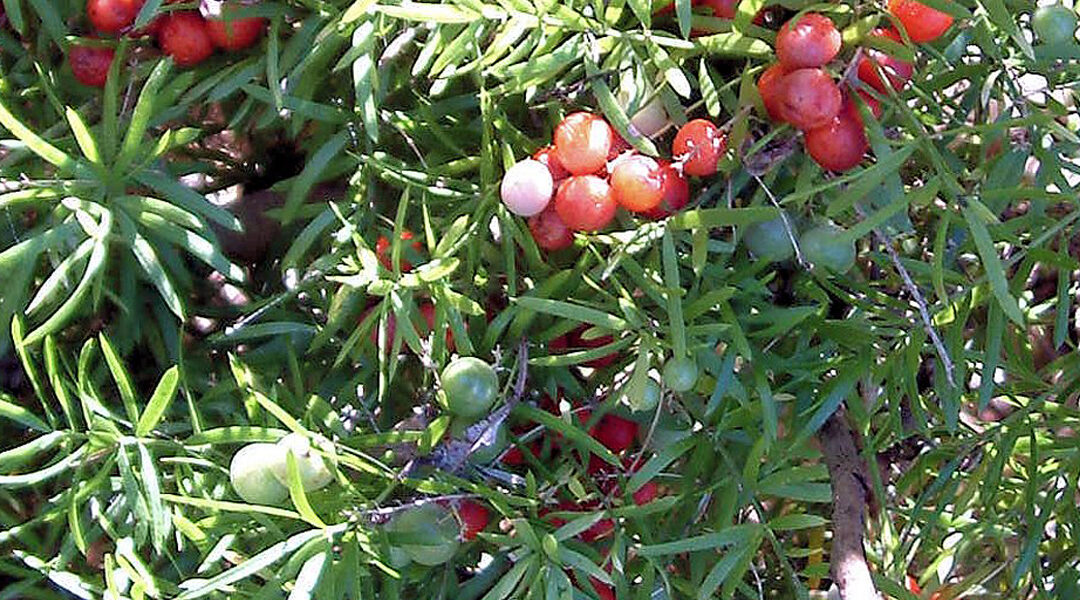
The weed of the month for August is Asparagus fern (Asparagus aethiopicus), a ground cover that can be found growing from the dunes to the hinterland. It grows well in most types of soil and can form thick masses out-competing all other vegetation. In this post, Michelle explains how the plant grows from a woody centre that needs to be removed to kill it. Pulling up the whole root system causes soil loss and disturbance that allows more weeds to grow. Click through for more images showing how to remove this weed from your garden.
Jul 24, 2020 | Weeds & Invasive Species
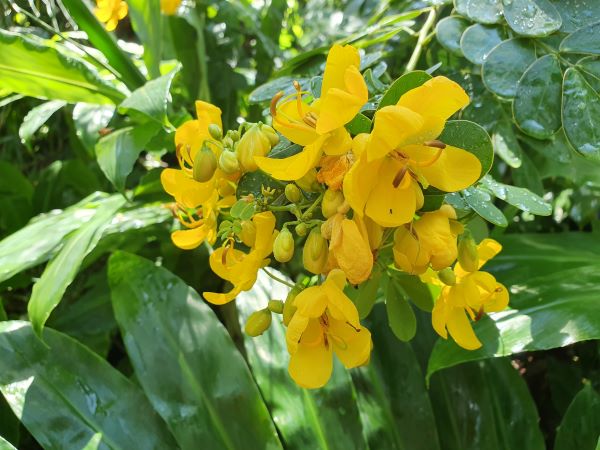
Weeding is a never-ending chore. Knowing how to kill weeds successfully on the first try will save time, effort and keep motivation levels up. Understanding the life cycle of the weed is important to get a successful kill, but also to use time and effort more productively. In this post, Michelle explains how different types of plants flower and seed, helping you prioritise weeding jobs and free up more time to enjoy your garden.
Jun 28, 2020 | Weeds & Invasive Species
Michelle’s weed of the month for June 2020 is the Dutchman’s Pipe (Aristolochia elegans). In this post she explains how it affects the vulnerable Richmond Birdwing Butterfly, mistaking it for the native Richmond birdwing vine (Pararistolochia praevenosa) and laying its eggs on the toxic leaves of the Dutchman’s pipe. When the eggs hatch the larva feed and die. The dictionary definition of a weed is a plant that grows out of place, but a more accurate definition of a weed could be a plant that does harm. This month’s weed is one that fits that description.
Jun 14, 2020 | Weeds & Invasive Species
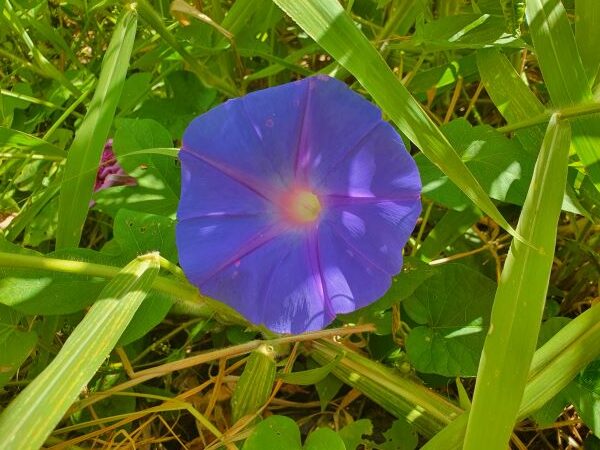
Bushfires are nature’s way of clearing out the undergrowth. Lurking weeds are suddenly no more and the bush is given a new lease of life as regrowth takes over. Stephanie spotted these Mile a Minute weeds taking advantage of cleared growing space after the spring bushfires and suggests we pull them out while they are easy to spot.
Apr 14, 2020 | Weeds & Invasive Species
The Weed of the Month for April is Alternanthera brasiliana, commonly known as Purple Joyweed or Purple Splash. Michelle explains why she believes it sits in the Red Zone – Remove.