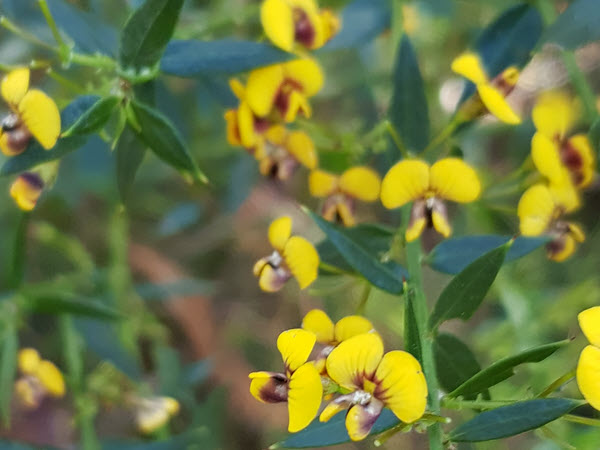
Workshop: What Wildlife is in Your Garden?
Come along to The J in Noosa Head on Saturday 21 March to learn how to attract wildlife to your coastal garden from the NICA Urban Wildlife Gardens experts.
Come along to The J in Noosa Head on Saturday 21 March to learn how to attract wildlife to your coastal garden from the NICA Urban Wildlife Gardens experts.
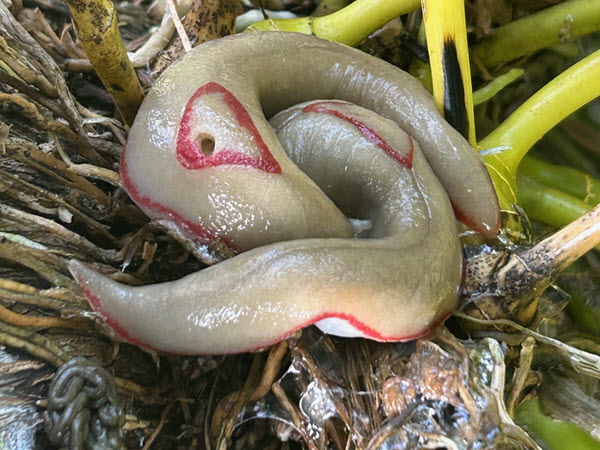
Over the last few months I’ve come across some interesting creatures in my garden so thought I’d share a few with you.
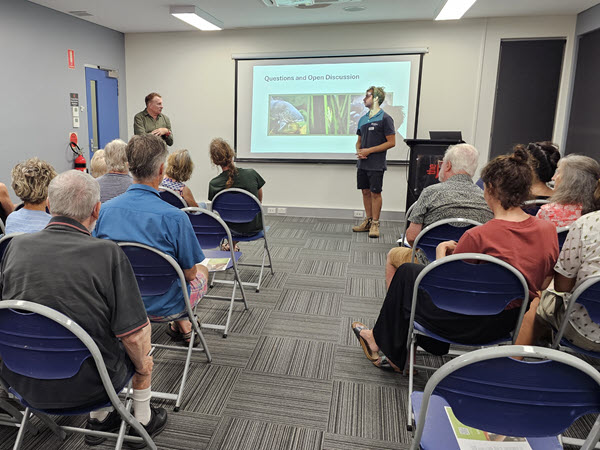
At our UWG November Workshop, Noosa Council Officer Dave O’Gorman presented the Noosa Threatened Fauna Recovery Road Map. This Road Map was developed to facilitate and guide the on-going management and recovery of threatened fauna across the Noosa Shire and our adjacent coastal waters.
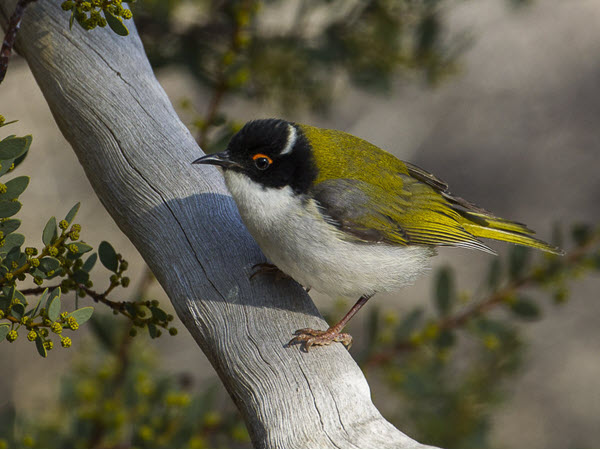
Living in Lake MacDonald, I wanted to have a balanced and harmonious garden, with local native plants that thrived in their natural environment while also providing food and shelter for native species. Some native plants also provide food I can eat.
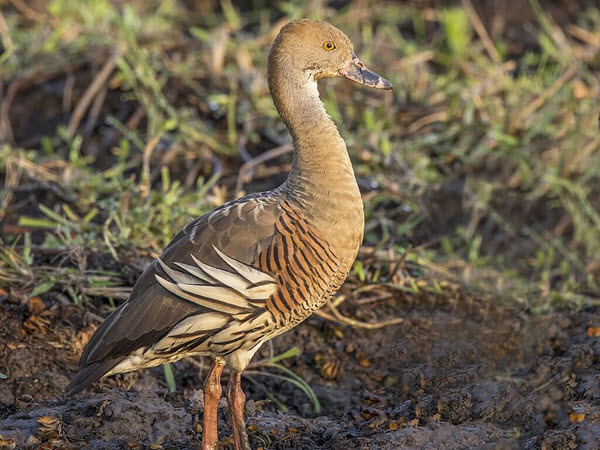
The Whistling Duck stands out amongst other ducks due to a few key ID features. It has an elegant appearance compromising of a slender neck, upright posture and long pink legs, boasting a light brown body with a fine black barring on the chest and long cream or golden plumes curving down the sides from the shoulders. With intelligent-looking yellow-orange eyes and grey bill with pinkish tones, these medium sized ducks (up to 60cm long) are impressive birdwatching specimens, although they can be elusive given their tendency to flee if feeling threatened.
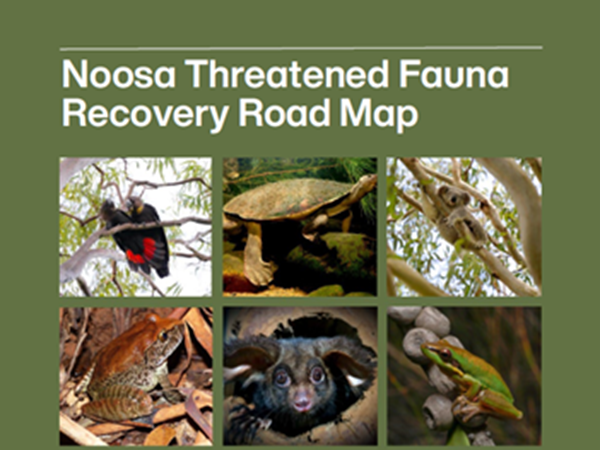
Join Noosa Council Officers Dave O’Gorman and Rachel Lyons as they outline the Noosa Threatened Fauna Recovery Road Map, which was developed to facilitate and guide the on-going management and recovery of threatened fauna across the Noosa Shire and our adjacent coastal waters.