Resources
Visit regularly for fresh information on Urban Wildlife Gardens.

Encourage Others to Use iNaturalist
It’s been almost 12 months since I started using iNaturalist and to date have 113 observations and 98 species. I’d like to share a few helpful tips I’ve picked up along the way. First though, here’s a quick refresher on iNaturalist.
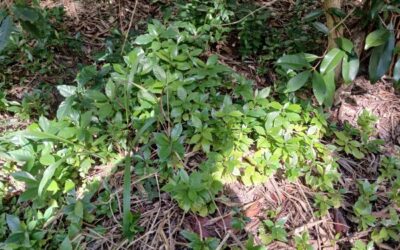
Spotlight on Weeds – Coffee ( Coffea arabica)
Recently I have noticed Coffee bushes spreading rapidly out of backyards into surrounding bushland. With the love Australian’s have for a cup of Coffee and the availability of seedlings to buy, it’s not surprising having your own Coffee tree has become popular.
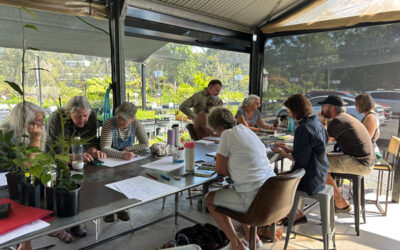
The Native Garden Design Workshop
The Native Garden Design Workshop, held on Sunday, 20 September 2026 in collaboration with Coolum Native Nursery, was a great success. We sincerely thank the Coolum Native Nursery team for their professionalism and support in hosting this workshop.
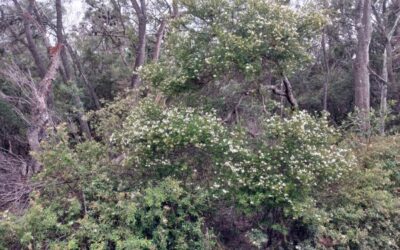
Marcus Beach High Dunes Walk
Sunday 30th August saw 14 ladies join Shaun Walsh for the Marcus Beach high dunes walk. The inclement weather didn’t kerb the enthusiasm of the group and we set off keen to hear about the history of the site and enjoy the wildflowers.
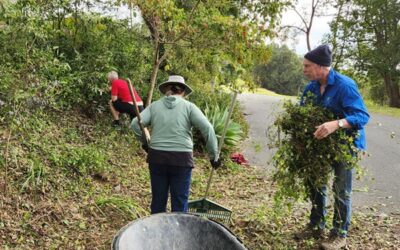
Getting our Native Garden ready for Hotter Drier Weather
The weather forecast is for a hot and dry spring, and whilst having many days of light rain, our winter rainfall was well below average. This article incudes tips to maintain your native garden and provide optimal habitat for wildlife.
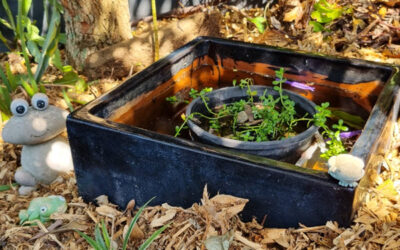
Water Feature – Frog Pond
Kay says she has no idea of how to go about creating a frog pond but is learning a lot as she gives it a go.
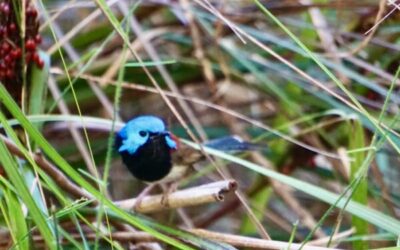
Fairy Wren Family – Spring in the Garden
Leonie shares her experiences of the Fairy Wrens in her spring garden.
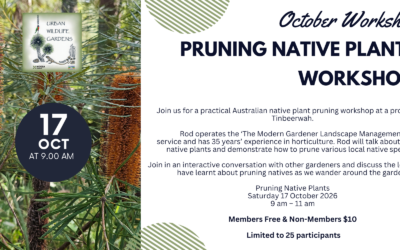
October Workshop – Pruning Native Plants
Join us for a practical Australian native plant pruning workshop at a property in Tinbeerwah with Rod from ‘The Modern Gardener Landscape Management’ service who has 35 years’ experience in horticulture.
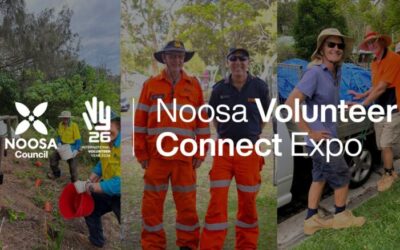
UWG Joining NICA at Noosa Volunteer Connect Expo
Urban Wildlife Gardens will be joining NICA for the inaugural Noosa Volunteers Connect Expo 2026, an event bringing together local volunteer organisations and community members in one inspiring space.
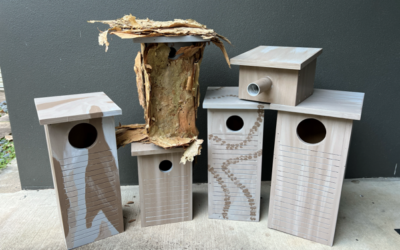
Nest Box Success – Squirrel Glider family makes a home
An article from Adrian Gallagher discussing nesting boxes for squirrel gliders.
Get In Touch
c/- NICA, PO Box 172, TEWANTIN, QLD 4565
Let's Build Your Dream Garden Together